Housing in the temporarily occupied territories
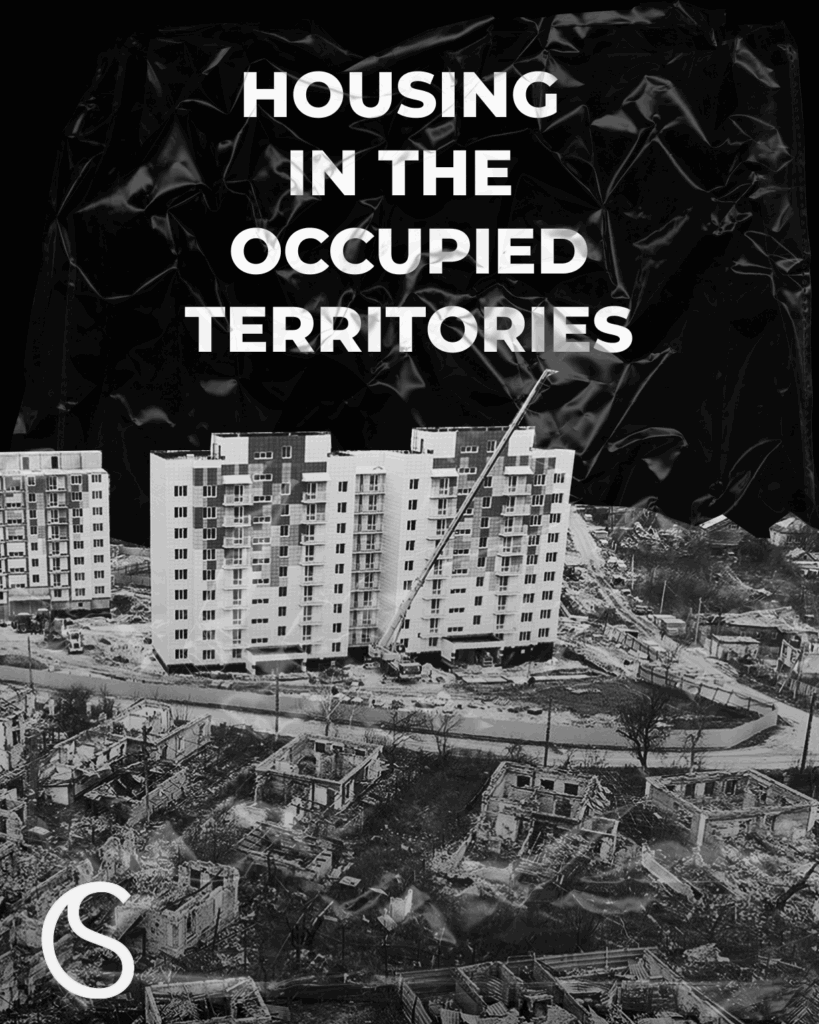
The right to accommodation is not a privilege, a government handout, or a market product — it is a basic condition for a dignified life.
But it is exactly this right that is being destroyed en masse in the temporarily occupied territories of Ukraine.
As of March 2025, there are 2.8 million Internally Displaced Persons living in Ukraine. Among the many problems IDPs face with their living situation — like absence of social housing and inability to pay rent, trouble finding employment and decent wages — they are confronted with the huge challenge of holding on to properties that are still intact on occupied territories.
We’re talking about the russian federation’s policy of targeting housing and using it as an instrument of punishment, intimidation, involuntary deportation, and population displacement.
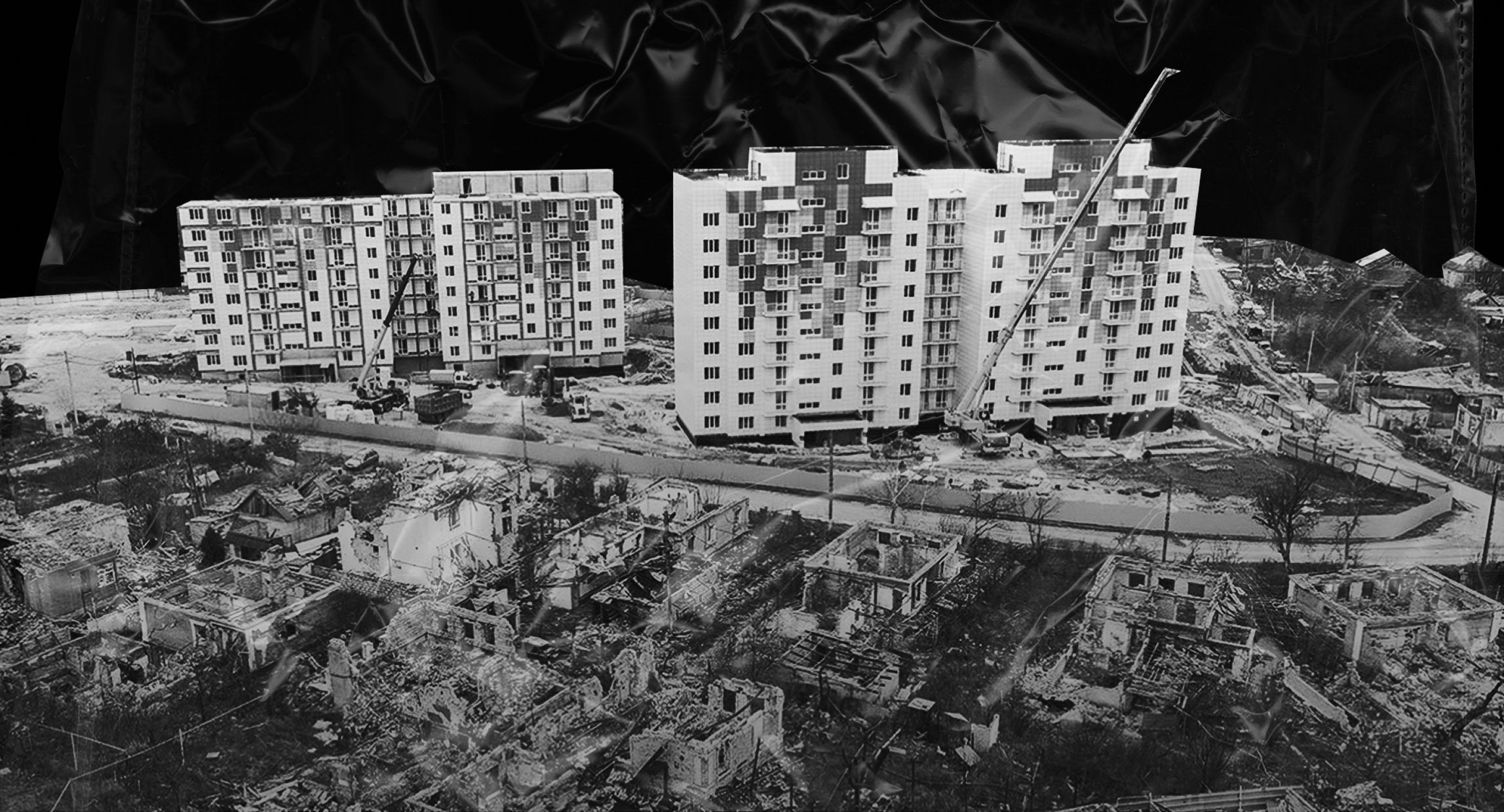
Starting 2019 in Donbas, the russians coined a special term, ‘ownerless housing‘, and after 2022, the scale of this system of housing ‘nationalisation‘ expanded rapidly. If an owner doesn’t return or refuses to obtain russian documents, their property is confiscated.
More than 50,000 apartments and houses on the territories of the Donetsk and Luhansk regions have been designated as so-called ‘ownerless‘ property. This method of enforced confiscation has now become the norm in all the occupied regions.
In Mariupol, housing is being confiscated even from those who remain in the city. Announcements appear on their front doors: “Housing recognised as ownerless.” The residents are then forcefully evicted, regardless of the documents they may have proving ownership. During the colder months, many high-rise buildings are cut off from heating, electricity and water. Buildings are then demolished, and new ones are built in their place, often repopulated by working immigrants, security forces or employees of the local occupation administration. At the same time, there’s not a single accommodation alternative provided for the locals. In October 2023 alone, more than 50 high-rise buildings were demolished, without any concern for the people still living there.
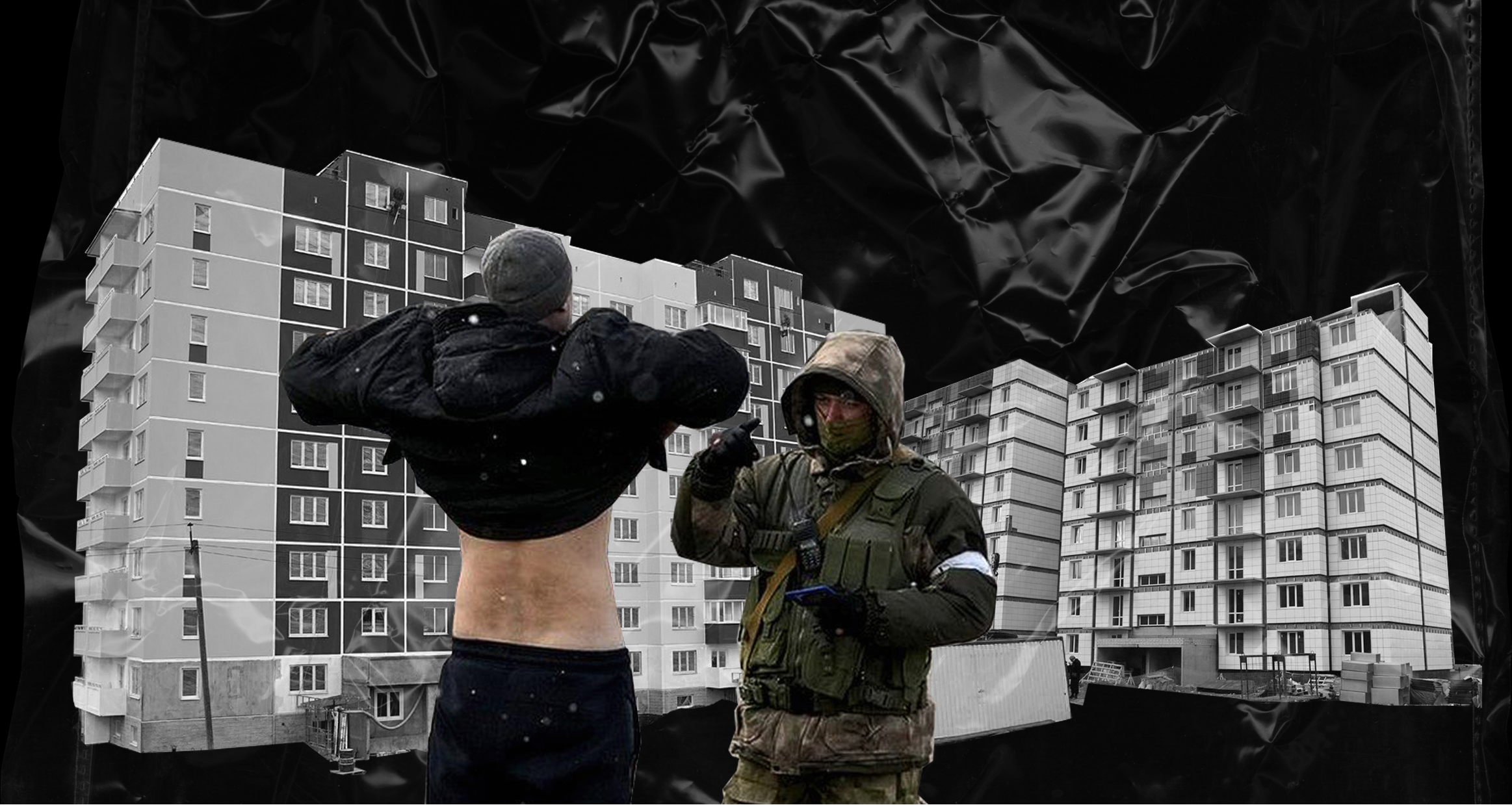
To register their property rights, per the terms of the occupation authorities, a person needs to go directly to the occupied territory. Currently, the only route allowing Ukrainians to do that is through moscow’s Sheremetyevo Airport. The filtration process there can take many hours, sometimes days. People undergo humiliating interrogation procedures, phones are checked, and social media is examined to confirm their ‘loyalty‘ — for example, people are asked to fill out a form confirming their support for the ‘special military operation’. Many are denied entry, but even those who can get to their homes risk being arrested and interrogated by russian special services, or even taken captive.
The story of Olena Piekh, a resident of the city of Horlivka in Donetsk Region, is a clear example of how someone’s own house can become a trap. She travelled home to take care of her mother, who had spent 6 years in russian captivity and undergone torture — she had been electrocuted, had screws driven into her knees, had been forced to sign ‘confessions’ at a show trial on either espionage or treason, and denied access to medical treatment and contact with her relatives.
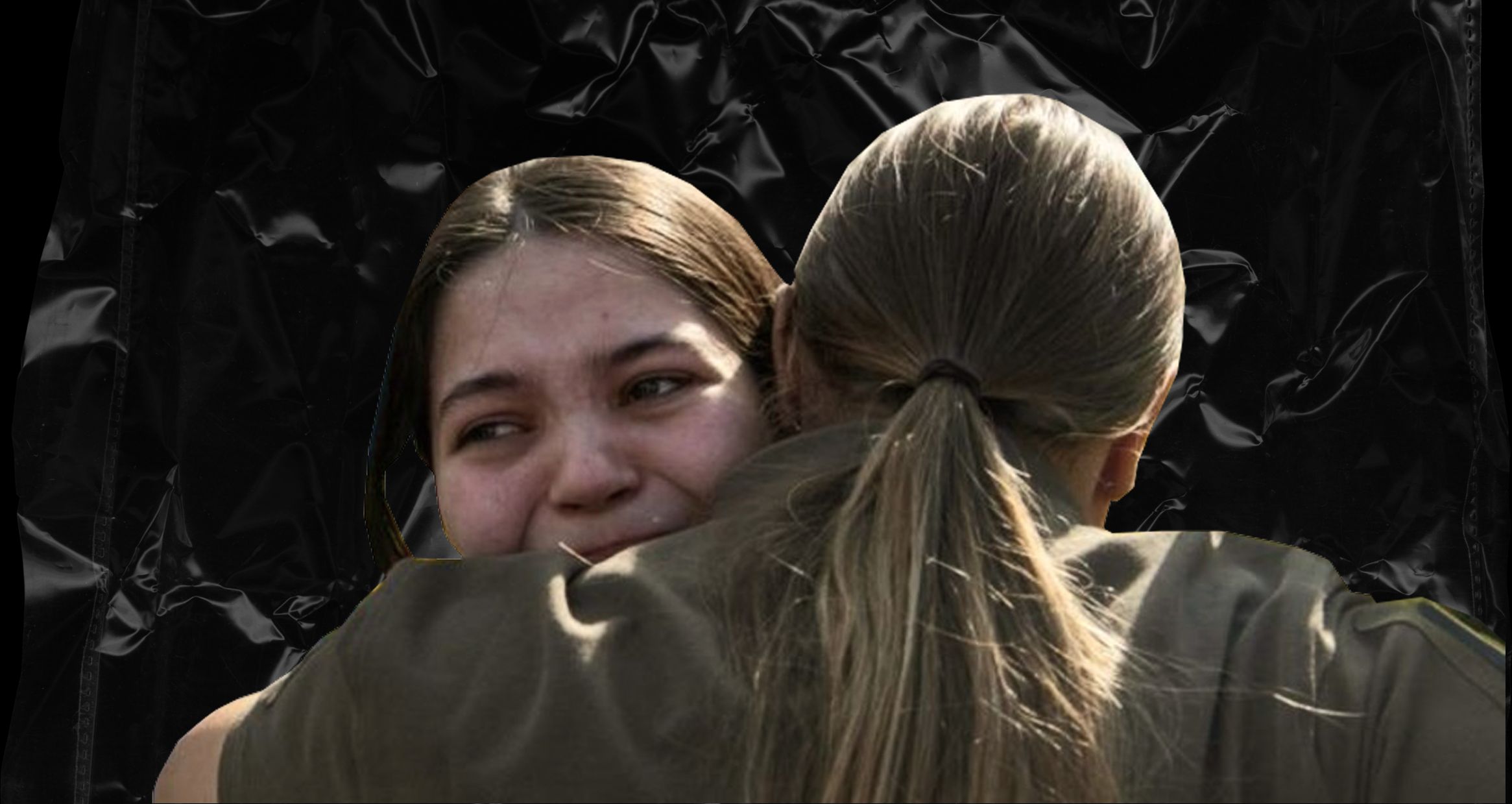
Another telling story is the case of 25-year-old Leniie Umerova from Crimea. She was detained by russian security forces after crossing the Georgian-russian border, on her way back to Crimea to take care of her father, who had been diagnosed with cancer. Moscow’s Lefortovo Court arrested Umerova on charges of espionage. She spent almost 9 months in captivity.
In the Skadovsk and Holoprystan districts of the Kherson region, entire businesses, hospitals and educational institutions are being seized. This was the case for Volodymyr Koziavkin’s clinic for children with cerebral palsy in Henichesk, which had its equipment stolen and the premises looted. In the worst cases, buildings are left mined.
In Nova Kakhovka, apartments are being raided, and the occupiers are demanding that residents report to the commandant’s office with their housing documents.
In Melitipol district, 674 private houses have been seized from those who had been forced to leave. In some villages, the confiscations exceed 10% of the total housing stock. Locals can’t reclaim property without obtaining russian passports, and those who take the risky path of re-registering property with russian documents receive notices obliging them to register for military service.
On the Crimean peninsula, there’s another front in the annihilation of housing rights. In 2023, 218 unlawful court decisions were made on the forced sale or expropriation of land. In 2024, the number of confiscations increased to 560.
According to human rights organisations, more than 83% of confiscated properties were owned by Ukrainian citizens.
It’s not just a violation of property rights — it’s persecution based on nationality. Decree No. 201 issued by the occupation authorities of Crimea is aimed directly at the massive displacement of Ukrainian property owners, defining them as foreigners who ‘have no right’ to own land on the peninsula.
The right to housing is a right to dignity, return, and the future.
For Ukrainians from occupied territories today, the only real possibility for reclaiming the rights to their homes is the restoration of Ukraine’s territorial integrity, the de-occupation of all regions, and reparations for damages.
The war is reviving the idea of housing as a social right. Just housing policies must not only be a part of the restoration process — our approach to protecting housing rights must be completely reinvented. If the usual market logic goes unchallenged, those who have already lost everything stand to lose it all over again — by law enforcement, bomb or blackmail.